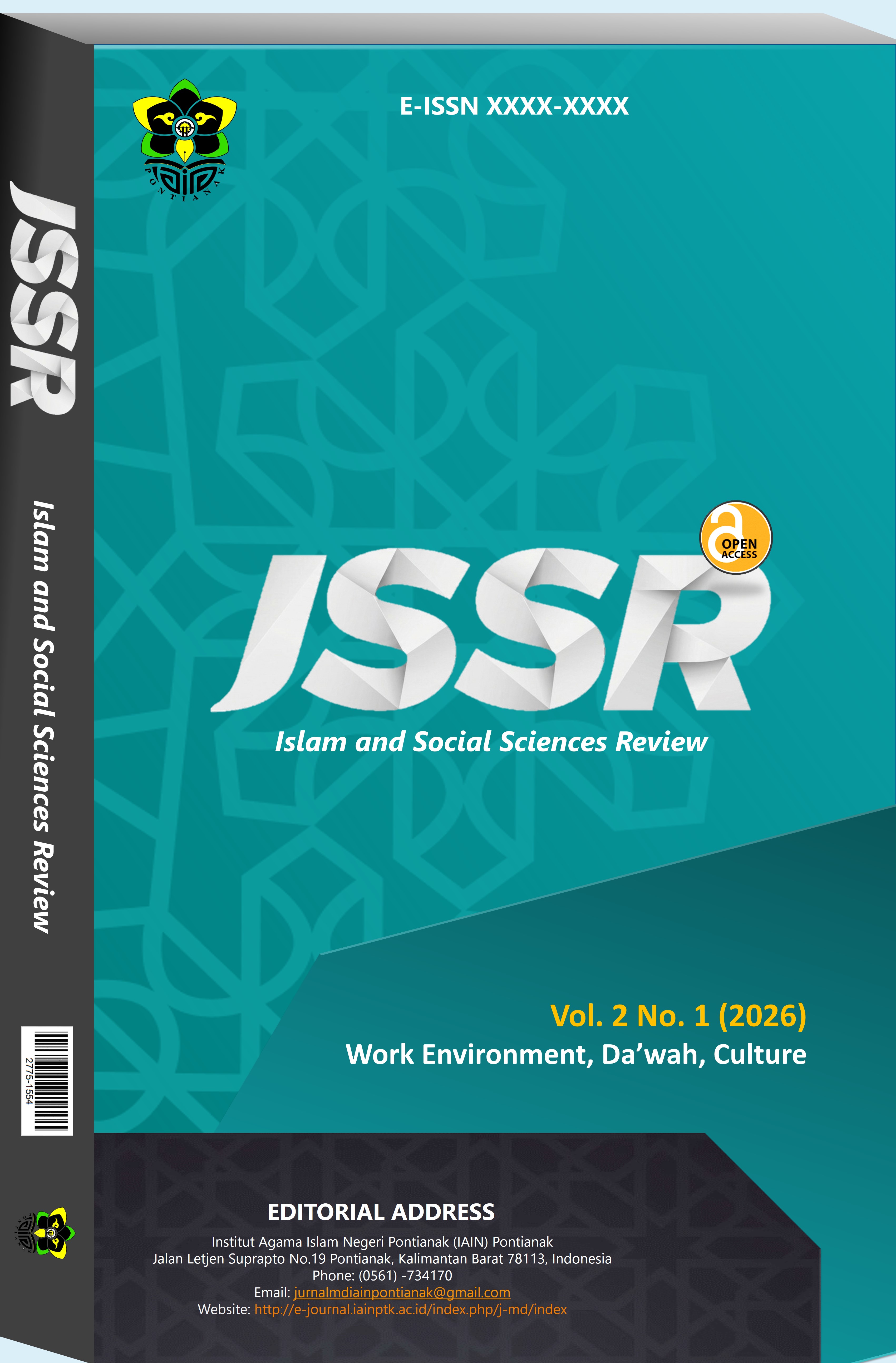
Synergizing Islamic Social Finance for Geriatric Care: A Decentralized Zakat-Waqf Framework in Malaysia
DOI:
https://doi.org/10.24260/92ymty81Keywords:
Zakat, Elderly Care, Islamic Social Finance, Sustainable FinancingAbstract
This study aims to explore the synergy of Islamic social finance in long-term geriatric care to develop a sustainable, decentralized Zakat-Waqf framework for the vulnerable B40 demographic in Malaysia. The research adopts a qualitative, library-based approach, involving systematic document analysis. Data were collected from national demographic reports, statutory guidelines including the Care Centres Act 1993, and official operational records from major Malaysian state Islamic religious councils, and analyzed using thematic content analysis. The findings validate a hybrid financing model that strictly demarcates Waqf for capital expenditure, such as infrastructure, and Zakat for operational expenditure, including daily care and medical needs. This indicates that the framework satisfies Shari'ah compliance, specifically the principle of Tamlik, and justifies reclassifying elderly individuals burdened by chronic medical debts under the Gharimin category. The study is limited by its conceptual nature and reliance on secondary data, which lacks empirical validation through primary fieldwork, potentially restricting the understanding of ground-level operational nuances across different jurisdictions. Practically, the results highlight the importance of decentralized governance and the strategic ring-fencing of funds for zakat administrators and policymakers to satisfy both religious jurisprudence and civil regulatory standards. The originality of this study lies in its interdisciplinary approach bridging Islamic welfare economics with the modern care economy, demonstrating how operationalizing Maqasid al-Shari’ah directly aligns with the United Nations Sustainable Development Goals to shift geriatric care from passive charity to sustainable empowerment.
Downloads
Published
Issue
Section
License
Copyright (c) 2026 Muhsin Nor Paizin (Author)

This work is licensed under a Creative Commons Attribution 4.0 International License.